
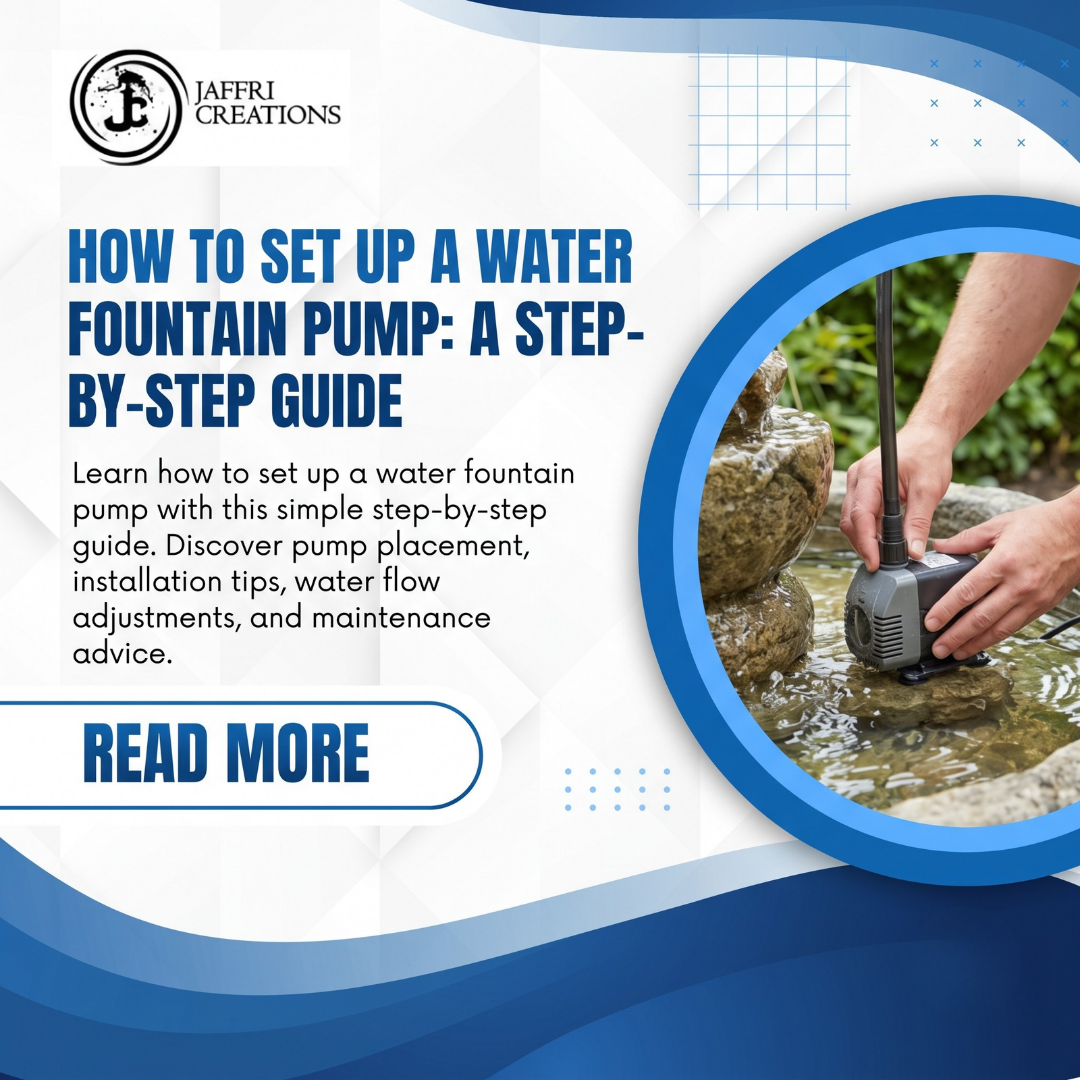
Installing a water fountain in your house, garden, or terrace instantly improves the esthetic value of your area and creates a peaceful atmosphere. Are you wondering how to properly install a water fountain pump without causing damage to your device or wasting electricity?
This blog provides you with a straightforward, step-by-step method on how to set up a water fountain pump.
A Water Fountain Pump: What Is It?
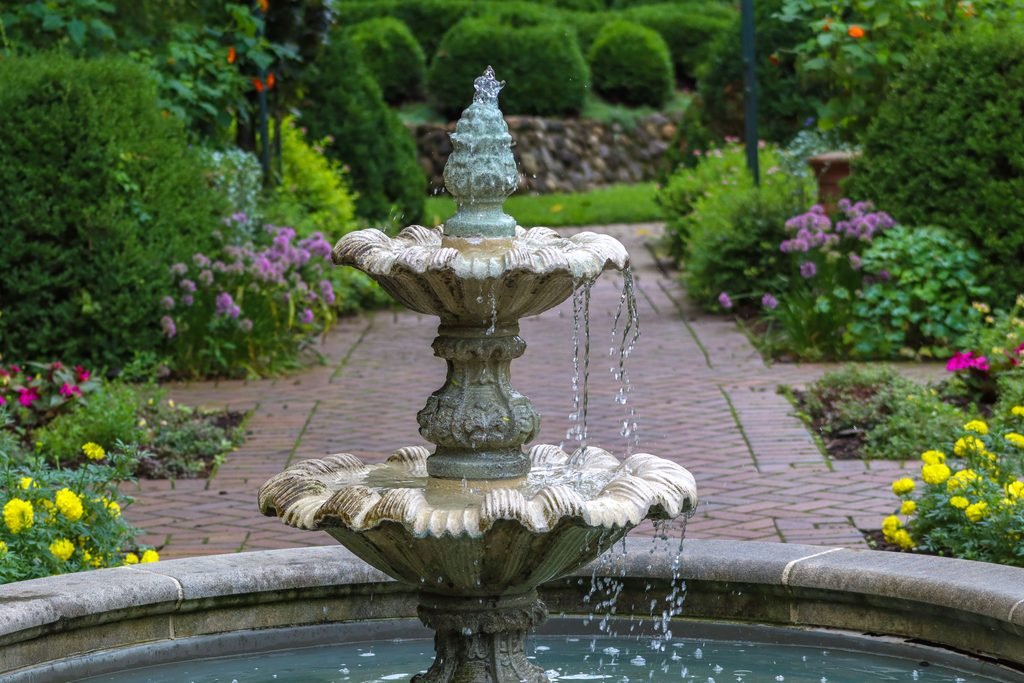
A submersible or exterior motor that continually circulates water to produce the flowing or bubbling effect in ornamental fountains is called a water fountain pump. It is essential to any fountain; without it, the water just remains motionless.
How to Install a Water Fountain Pump: A Comprehensive Guide
Whether it’s for a large outdoor fountain or a tabletop unit, here’s how to set up a water fountain pump.
Step 1: Select the Appropriate Pump Size
Choose a pump according to the water capacity of your fountain and the desired flow rate, which is expressed in liters per hour, or LPH.
| Fountain Type | Recommended Pump Capacity |
| Tabletop/Indoor | 200–400 LPH |
| Small Garden Fountain | 500–1000 LPH |
| Large Outdoor Fountain | 1500 LPH and above |
Step 2: Assemble Your Equipment and Supplies
You’ll require:
- Pump for a submersible fountain
- ISI-marked waterproof extension cord
- Silicone pipes and tubes
- Fountain spray head or nozzle
- Testing bucket
Step 3: Properly Position the Pump
Put the pump completely submerged in water on a level, stable surface at the bottom of the fountain basin. This guaranties steady suction and avoids overheating.
Step 4: Attach the Nozzle and Tubing
After securely fastening the silicone pipe to the pump’s outlet, attach the spray head or nozzle to the opposite end. The most frequent cause of poor water flow is a loose connection.
Step 5: Pour Water Into the Basin
Before turning on the pump, totally submerge it in the fountain basin. Even a brief period of time spent running a submersible pump dry might cause the motor to burn.
Step 6: Connect and Examine the Pump
Turn on the power source, watch the water flow, then adjust the nozzle to your desired height or spray pattern. This is a crucial fountain pump wiring safety procedure for Indian houses, thus always use a socket with appropriate earthing.
Step 7: Modify the Water Flow Configuration
To achieve the ideal balance between a soft trickle and a powerful jet, gradually move the flow control dial that most pumps come with. If you find any issues, you can watch a video on YouTube for the same.
Water Fountain Pump Configuration: Indoor vs. Outdoor
The major reasons why an outdoor fountain pump configuration is different from an interior one are weather exposure and voltage safety. Here’s how to set up a water fountain pump:
| Factor | Indoor Setup | Outdoor Setup |
| Pump Type | Low-noise submersible | Weatherproof submersible |
| Power Point | Standard socket | RCD/earth-leakage protected socket |
| Maintenance | Monthly cleaning | Weekly cleaning (dust, monsoon debris) |
How Can a Water Fountain Pump Be Maintained?

Your fountain pump will continue to function properly for many years with routine maintenance.
- Every one to two weeks, clean the pump filter.
- To prevent the growth of algae, change the water every fifteen days.
- Look for kinks or obstructions in the tubing.
- When not in use, cover outdoor fountains during the monsoon.
- If your water is hard, descale the pump once a month.
Which Is Better, An External Fountain Pump Or A Submersible One?
In India, submersible pumps are typically used for garden fountain setups because they are quieter and easier to install, but external pumps are better suited for bigger commercial fountains that require a higher power output.
How Much Does a Water Fountain Pump Usually Cost in India?

Depending on the brand and LPH capacity, water fountain pumps in India typically cost between ₹500 for small desktop pumps and ₹5,000+ for high-capacity outdoor pumps.
Can a Solar Water Fountain Pump Be Used?
Indeed, a solar water fountain pump greatly reduces electricity expenses and is a great environmentally friendly choice for outdoor and patio gardens, particularly in sunny Indian countries.
Typical Errors to Avoid
- Dry run, or operating the pump without water
- Using an extension cord without an ISI mark
- Disregarding routine filter cleaning
- The pump becomes clogged with debris when it is placed directly on the basin floor without a support.
- Exceeding the pump’s rated capacity
Quick Buying Advice for the Best Water Fountain Pump for Your Home
When choosing a water fountain pump for your home, keep the following things in mind:
- LPH (flow rate) appropriate for the size of your fountain
- Noise level, particularly when placed indoors
- Ceramic shaft pumps have a longer lifespan due to their superior construction.
- Warranty duration (at least six months is advised)
Are You Prepared to Install Your Ideal Water Fountain?
It’s time to install that calming water feature in your house or garden now that you know how to properly set up a water fountain pump. Do you need professional assistance selecting the best pump or hiring a professional installer?
Are you prepared to activate that calming water feature? At Jaffri Creations, we create high-quality, long-lasting fountains and pumps that will provide effortless beauty and dependable performance for many years to come. Our selection offers something to fit your space and style, whether you’re starting from scratch or updating your existing setup. Explore Jaffri Creations’ carefully chosen selection of fountains and accessories to realize your dream of a peaceful haven instead of relying solely on conjecture. Get in touch with us to get a personalized experience!
FAQs
1. How Can I Determine The Appropriate Pump Size For My Fountain?
Using the sizing table above as a guide, match the pump’s LPH rating to the desired flow strength and basin size of your fountain.
2. Is It Possible To Operate A Fountain Pump Around-The-Clock?
Although the majority of submersible pumps are made to run continuously, motor life is extended by sporadic breaks.
3. What Is Causing The Noise Coming From My Fountain Pump?
Noise typically denotes low water levels, trapped air, or debris lodged in the impeller.
4. When The Pump Is Operating, Is It Safe To Touch The Water In The Fountain?
Yes, if the electrical connection is watertight, ISI-certified, and the pump is appropriately grounded.
5. How Frequently Should A Fountain Pump Be Changed?
A high-quality pump usually lasts two to three years before needing to be replaced with adequate maintenance.